There are certain home improvements that earn their reputation quietly, over time. GRP fibreglass roofing is one of them. Walk through any neighbourhood in Hertfordshire and you’ll find it on flat roofs, garage tops, extensions, and porches — doing its job without drawing attention to itself.
If you’ve been weighing up roofing options and wondering what all the quiet fuss is about, here’s a closer look at why so many homeowners keep choosing it.
Built to handle whatever the British weather throws at it
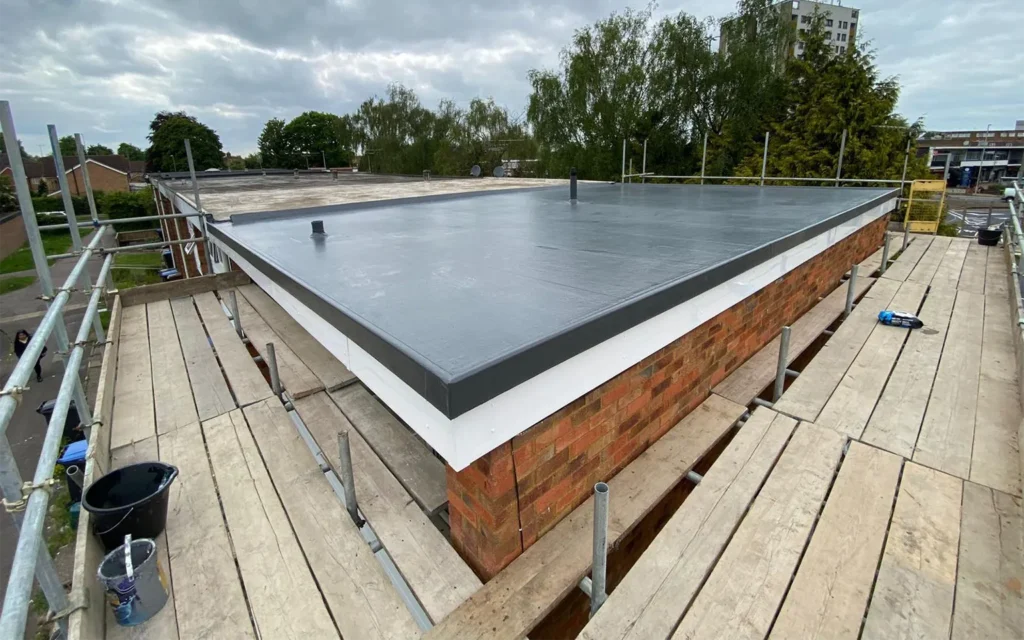
Hertfordshire gets a healthy share of rain, wind, and frost. GRP fibreglass roofing is formed as a single, seamless surface with no joints or seams running across it. That matters because joints and seams are exactly where traditional roofing materials fail. A seamless GRP roof has fewer places for problems to start. It resists water, resists cracking, and isn’t affected by moss or algae. That level of durability isn’t a luxury in this climate — it’s the baseline.
The lifespan will surprise you
When properly installed and finished with the right topcoat, a GRP fibreglass roof can last well over 25 years. Compare that to traditional felt roofing, which often needs replacing or significant repair within 10 years, and the numbers look very different.
That long lifespan changes how you think about the upfront cost. A roof that needs replacing every decade is not cheaper in the long run. Choosing a material that stays in good condition for decades means fewer disruptions, fewer contractor visits, and far less worry every time the forecast turns grey.
It finishes well and fits any home
Practicality matters, but so does appearance. GRP fibreglass roofing looks clean once finished. The smooth, solid surface takes a topcoat that can be colour-matched to suit the property, and because there are no visible joins or patches, the result looks intentional rather than functional.